Image
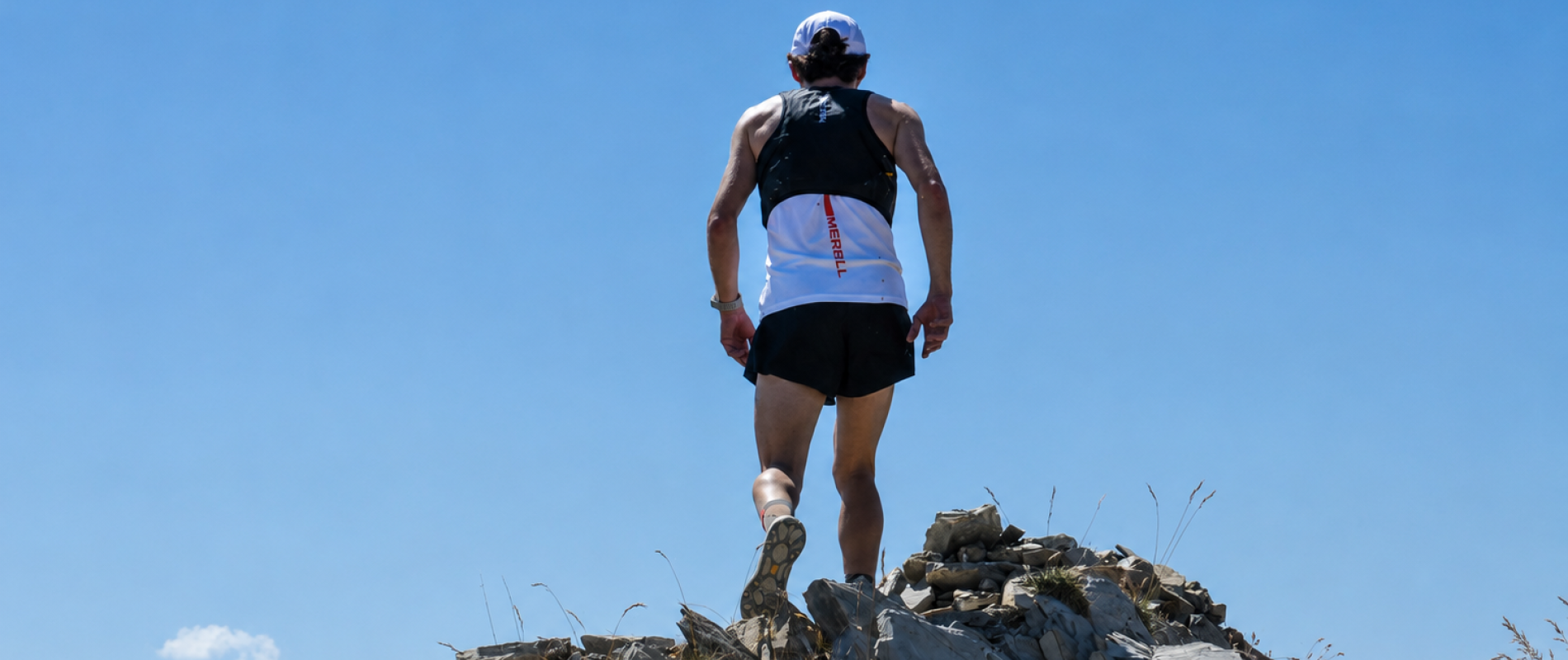


For the second year in a row, the resort is hosting a rather unique trail race: the Skyrace des Orres. Organized by the Embrunais Athletic Club (EAC), this technical and demanding race takes runners along the resort’s most beautiful high-altitude trails, amidst the iconic peaks, lofty ridges, and spectacular panoramas of the Southern Alps.
With an intense course, technical trails, and steep elevation gain over a short distance, the Skyrace des Orres is considered a true test of skyrunning—the mountain running discipline that takes place at altitudes above 2,000 meters. With its 23 km course, 1,815 meters of elevation gain, and 1,815 meters of elevation loss, it promises an adventure that is as challenging as it is memorable.
But behind the athletic challenge lies a unique experience: running along the ridges of Boussolenc and Aupillon, traversing stunning mountain landscapes, and rediscovering the very essence of trail running, in close harmony with nature.
Whether you’re a beginner, a casual runner, or an experienced trail runner, proper preparation is essential to fully enjoy this adventure.
Here are the top 5 tips to follow before tackling the ridges!

If there’s one thing that sets the Les Orres Skyrace apart from many other trail races, it’s its terrain. Here, the race takes place in the high mountains: 70% of the course is above 2,000 meters in elevation.
At this altitude, the body is pushed harder: you may find yourself short of breath, tire more quickly, and struggle to regain your pace. Your cardiovascular system will likely notice pretty quickly that the air is thinner.
Successful preparation involves, in particular, gradually acclimating your body to the altitude as well as to the many changes in direction dictated by the terrain. If possible, prioritize outings on high-altitude trails, challenging hikes, or trail runs with elevation gain: anything that lets you spend time at high altitudes will be beneficial. And if you live far from the peaks, a few weekends in hilly terrain or in the mid-mountain range can already help you build confidence.
Because the challenge isn’t just about improving your endurance. It’s also aboutlearning to manage your effort in a demanding environment. It’s better to experience the sensations of high altitude during training than on the day the ridges of Les Orres await you around the bend.


If there’s one number you shouldn’t take lightly, it’s this one: 1,815 meters of elevation gain… and just as much in elevation loss. Over the Skyrace’s 23 kilometers, your legs will get little respite on the rocky slopes of Les Orres.
Right from the first few kilometers, the tone is set. The steady climb toward Boussolenc doesn’t really give you time to warm up before you’re off toward the ridges and peaks of Aupillon. A spectacular setting, to be sure, but one you have to earn. And just when you think you’ve done the hardest part, the mountain still has a few surprises in store. The route alternates between technical sections and changes in pace, before a long descent toward Lake Sainte-Marguerite and then the resort. The challenges come one after another; the sprints disrupt your rhythm, and the descents demand as much concentration as they do energy.
To be ready on race day, it’s best to get your body used to this type of effort several months before the start. Training sessions and hill rides help build the endurance and power needed to tackle the course’s long climbs.
Don’t neglect the descents in your preparation either. Although they’re often practiced less than the climbs, they still place heavy demands on your thighs, joints, and concentration. Practicing technical descents not only builds confidence but also helps you arrive feeling fresher as the course heads toward Lake Sainte-Marguerite and then the resort.
A good way to prepare your body for what lies ahead? Alternate between climbs and descents during a single run. That’s often where you learn the most: picking up the pace when your legs are already tired, finding your rhythm again after a technical section, and constantly adapting to the terrain. That’s exactly what the Les Orres Skyrace will demand of you on race day.


For someone who isn't used to rugged terrain, you need to have already built up some elevation gain before heading to the starting line. You need to get your body used to several hours of continuous exertion on challenging trails.

On paper, the Skyrace des Orres is a mountain trail race. In reality, it’s a bit more than that. Between the grueling climbs, technical descents, changes in footing, and high-altitude sections , your entire body is put to the test.
Because in the mountains, it’s not just your legs that are working. Core strength helps you stay stable on technical trails, your ankles are constantly under strain, and your upper body also plays a role in the effort—especially when the slope gets really steep.
That’s why the kilometers you rack up during training are best complemented by a few strength-training sessions. No need to turn your living room into a gym or aim for a squat record. Just a few regular exercises targeting your thighs, calves, core, and balance can already make a real difference. Over the course of several weeks, this foundational work helps reduce muscle fatigue, improve stability on technical terrain, and let you approach the start line with a little more confidence.
Because between one summit and the next, it’s always nice to be able to count on legs that still have what it takes.
To prepare for this race, it’s important for participants to build muscle strength to improve their ability to change pace. I recommend that beginners focus on plyometric exercises. This is an intense strength and jumping workout that helps build speed and responsiveness.
Where can you do strength training in Les Orres? There’s no better place for it than the Pôle Sport Innovation in Les Orres. It features a weight room as well as fitness classes, allowing you to work on your physical conditioning.

The best way to get a feel for a route? Experience it firsthand. A GPS track, an elevation profile, and a few photos can give you a rough idea of what to expect. But there’s a world of difference between looking at a route on a screen and actually hitting the trail.
In the mountains, some climbs seem harmless on paper before quickly revealing their true nature. Conversely, some daunting sections become much more manageable when you experience them in person.
If you have the chance, treat yourself to a reconnaissance run before race day. You don’t necessarily need to cover the entire 23 kilometers—just a few key sections are enough to better understand the route’s flow, anticipate the challenges, and identify the most technical sections.
The climb to Boussolenc, the ridges leading to Aupillon, and the long descent to Lake Sainte-Marguerite and then the resort are among the sections worth checking out. Especially since the race doesn’t waste any time getting down to business: the first six kilometers alone feature nearly 1,200 meters of elevation gain. That’s enough to get you in the mood right away.
But scouting the course has another, often underestimated advantage: without the stopwatch, without the pressure of the start, and without having to pace yourself, you also discover what makes the Skyrace des Orres so magical. The panoramic views of the Southern Alps, the lofty ridges, the surrounding peaks, and the vistas of Lake Serre-Ponçon are sometimes worth slowing down a bit to take in. On race day, you’ll be focused on your pace. During the reconnaissance run, you can simply enjoy the scenery.


The Skyrace des Orres takes place in the middle of summer. With the race starting in the early afternoon, runners must contend with temperatures that can sometimes be quite high. The sun will be your constant companion.
This is an integral part of the challenge. Yet it’s often underestimated during training. In the weeks leading up to the race, occasionally going for a run during the hottest part of the day can help your body adapt better. The goal isn’t to turn every training session into a survival test, but to gradually get used to the sensations you might experience on race day.
Hydration is also a key factor in success. Use your long runs to test your strategy: how much to drink, how often, what drinks to use, and how your body reacts during prolonged exertion. Drinking regularly—even when you don’t feel thirsty—helps you better manage a multi-hour effort in the mountains.
Finally, keep in mind that in the mountains, knowing when to slow down is a sign of experience, not weakness. When temperatures rise, trying to keep up with others at all costs is rarely the best plan. Listening to your body, adjusting your pace, and managing your effort wisely often allow you to go further… and, above all, to finish the race with a smile.

In 2024, Robin Paya and Gabin Guédon, two members of the Embrunais Athletic Club, decided to take on an ambitious challenge: to create a true Skyrace on the peaks overlooking the resort of Les Orres.
From the house, I could see the entire ridge: the Col de Terre Rouge, the Boussolenc, the Aupillon… and I thought to myself that there was something to be done up there.
Just eight months after the project was launched, the first edition took place and already drew several hundred runners to the trails of Les Orres.
The idea is to offer a true mountain challenge while remaining true to the organizers’ values: camaraderie, respect for the environment, and support for local stakeholders.
For them, the Skyrace must be more than just a race against the clock. The Embrunais Athlétique Club, the event’s organizer, is fortunate to be able to count on Les Orres, the town hall, institutional and private partners, volunteers, and local partners who help organize the event. Even the aid stations reflect this commitment to supporting the local community and those who keep it thriving every day.
We didn't want to just add another race to the trail running scene. If we were going to do something, we wanted to do it right.
